
Table of Contents
- Why Setting Matters in Suspense Fiction
- How to Build Atmosphere in Thrillers
- Setting as a Plot Driver and Character Influence
- Examples of Effective Suspense Settings
- Psychological Impact of Setting in Crime Fiction
- Creating Tension Through Environmental Design
- Frequently Asked Questions
Last Updated: September 19, 2026
Why Setting Matters in Suspense Fiction
Setting isn’t mere backdrop in suspense fiction, it’s the engine that drives tension forward. When crafted deliberately, environment becomes a character in itself, shaping how readers feel and what they fear.
In weak suspense, environment is decorative. In strong suspense, every detail, weather, isolation, architecture, actively generates dread. Writers who master why setting matters in suspense fiction make deliberate choices about geography, isolation, and sensory immersion that compound reader anxiety.
Consider the difference between a thriller set in a generic office building versus one where the building itself becomes a trap. The second approach uses setting as a plot device, not just a location. Readers feel confined because the environment enforces confinement. They sense danger because the physical world around the protagonist mirrors internal threat.
How to Build Atmosphere in Thrillers
Atmosphere is the emotional texture readers absorb before they consciously register plot. Building it requires layering sensory details, environmental cues, and deliberate pacing choices that accumulate unease.
Sensory Immersion and Environmental Cues
Atmosphere lives in specific sensory moments. Readers remember cold concrete under fingertips, the smell of stale air in a locked room, the sound of footsteps echoing in empty corridors. These details anchor fear in physical reality.
Environmental cues work by association. A flickering light bulb suggests malfunction and danger. A door that won’t lock properly signals vulnerability. Readers’ nervous systems respond instinctively; the best thrillers embed threat into ordinary objects and spaces.
Sensory details control pacing. Quick, fragmented sensations create urgency; longer passages build dread through immersion.
Diagnostic Exercise: Sensory Audit
Mark every sensory detail by sense: sight, sound, smell, taste, touch. If any sense appears fewer than twice per page, deepen immersion. Check whether details are specific (“the smell of rust and old pennies”) or generic (“a bad smell”). Generic language creates distance; specific language creates presence.
Weather and Climate as Narrative Tools
Weather functions as both setting and mood regulator. Rain creates isolation by cutting visibility. Snow amplifies vulnerability by leaving tracks and removing escape routes. Heat intensifies claustrophobia in confined spaces.
Climate reflects internal psychological states. A protagonist’s rising panic can mirror an approaching storm; oppressive humidity can mirror moral corruption.
Extreme weather removes external help and creates time pressure. A character trapped during a blizzard cannot call for assistance. A protagonist hunted during a blackout cannot see threats coming. A storm passing in hours forces action within a compressed window. These temporal dimensions make weather a plot mechanism.
Weather can subvert expectation. A sunny day during a murder investigation creates cognitive dissonance, the world looks safe while danger closes in. The contrast between weather and emotional tone generates psychological friction.
Practical Application: Weather as Plot Constraint
When planning a suspense scene, ask: What weather would force my character into a worse position? Fog provides cover but removes visibility. A downpour makes tracking harder but running slower. Extreme cold forces characters to seek shelter, potentially into the antagonist’s territory. Choose weather that creates genuine trade-offs, transforming climate into active antagonist.
Building Atmosphere Through Escalation and Restraint
A common mistake is maintaining constant sensory intensity, which exhausts readers rather than frightens them. Effective atmosphere requires variation, moments of calm that make intensity feel sharper by contrast.
Vary rhythm: quiet observation, then sudden sensory jolt. Normal routine, then one sentence that breaks it. This trains readers’ nervous systems to expect threat, making them hypervigilant and amplifying impact when danger arrives.
Restraint is equally important. Describing every shadow, every sound, every smell becomes numbing. Leaving details to imagination often creates more dread than explicit description.
Setting as a Plot Driver and Character Influence
Setting stops being backdrop when it actively forces character decisions and plot progression. The best suspense fiction uses geography to create impossible choices.
Isolation and Confinement
Isolation is the foundational condition of suspense. When characters cannot escape, cannot call for help, cannot rely on external rescue, tension becomes inescapable. Remote cabins, islands, underground bunkers work because they eliminate options.
Confinement intensifies this principle. A character locked in a room experiences different fear than one on an open road. Confined spaces compress tension, force proximity between threat and victim, and make escape visible but unreachable.
Psychological confinement matters equally. A character may be physically free but mentally trapped by fear, obligation, or deception. A crowded city can feel as claustrophobic as an isolated cabin if the protagonist cannot trust anyone, cannot leave without consequences, cannot speak the truth without danger.
Familiar Versus Unfamiliar Environments
Familiar settings become uncanny when threat intrudes. A protagonist’s home becomes sinister when invaded. A workplace becomes menacing when danger hides behind familiar faces. This contrast amplifies dread.
Unfamiliar environments create vulnerability through disorientation. A foreign city, unknown building, or unfamiliar terrain prevents efficient navigation, danger prediction, and reliance on spatial knowledge.
The most effective suspense combines both. A protagonist returns to a familiar place only to discover it has changed, making the familiar feel alien. This collision between expectation and reality sustains tension.
Examples of Effective Suspense Settings
Remote and Hostile Landscapes
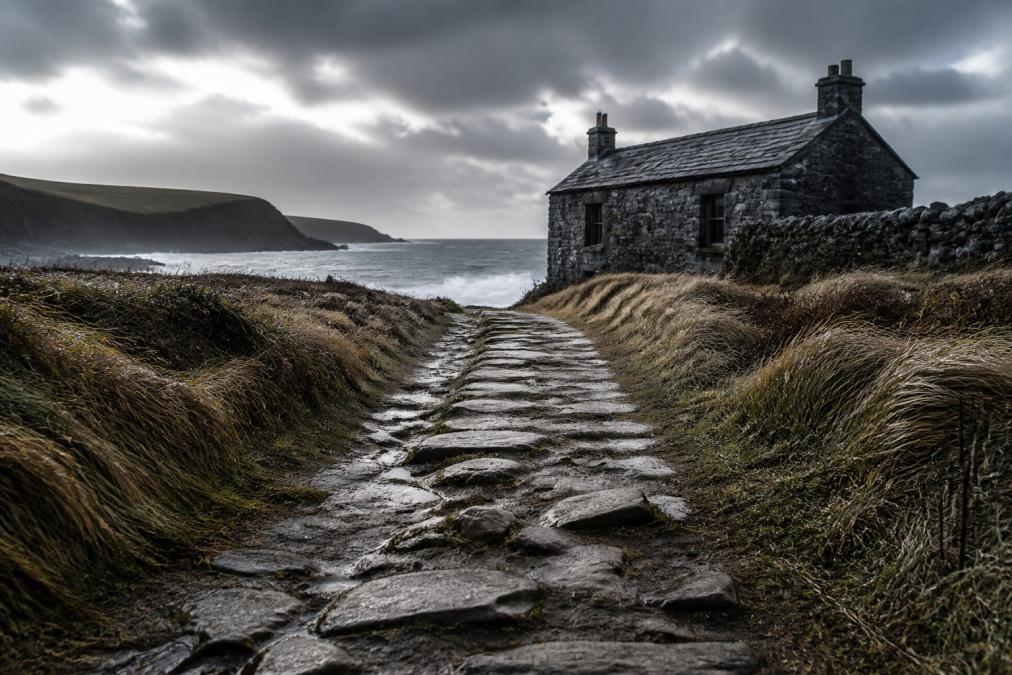
Remote settings enforce isolation while creating physical danger. An Australian outback setting forces characters to confront both human and environmental threat. Extreme heat, vast emptiness, and distance from help make survival uncertain.
Mountains, forests, deserts, and isolated islands function similarly. They remove quick police response, make rescue difficult, and force protagonists to rely on their own resources. The landscape becomes an antagonist.
These settings work thematically. A remote landscape mirrors psychological isolation; vast emptiness reflects emotional emptiness; harsh terrain reflects moral harshness.
Urban Claustrophobia and the Uncanny
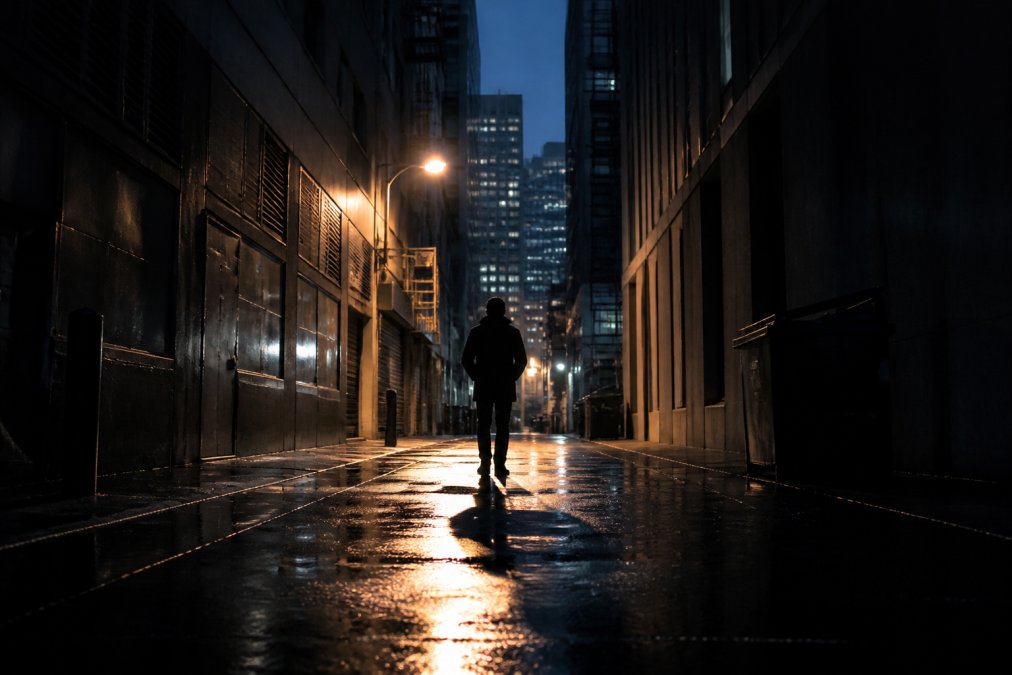
Cities create suspense through density and anonymity. A protagonist surrounded by millions can be utterly alone. Ordinary streets become threatening when danger lurks in crowds. Routine commutes become nerve-wracking when the protagonist is being followed.
Urban suspense also exploits surveillance. In cities, cameras are everywhere. Witnesses are everywhere. Yet in crowds, a person can disappear. This paradox, visibility combined with anonymity, creates psychological tension. A protagonist cannot trust that they’re safe in public, yet cannot escape into privacy.
Psychological Impact of Setting in Crime Fiction
Setting shapes how readers experience crime psychologically. A murder in a locked study feels intimate and claustrophobic. A murder in an open field feels exposed and vast. The same crime generates different emotional responses depending on environment.
Crime fiction uses setting to manipulate reader psychology. Familiar settings make crime feel possible, even probable, it could happen here, to people like us. Unfamiliar settings make crime feel exotic but also distant. The best crime thrillers collapse this distance by making the unfamiliar gradually feel familiar, then threatening.
Setting also influences how readers interpret character motivation. A crime committed in a character’s home suggests desperation or intimacy. A crime committed in a public place suggests boldness or chaos. Environment contextualizes action, making readers interpret identical behavior differently depending on where it occurs.
Creating Tension Through Environmental Design
Tension doesn’t emerge from plot alone, it emerges from how writers use setting descriptions to control the reader’s experience of time and space. Environmental design is a technical craft, not intuition. Understanding the mechanics allows writers to deliberately manipulate reader psychology through physical description.
Pacing and Sensory Escalation
Tension builds through escalation, but escalation requires a baseline. A thriller that maintains constant maximum intensity becomes exhausting and loses impact. Effective suspense varies intensity by controlling sensory detail and environmental pressure.
Early sections can be quieter, establishing normalcy and comfort. As threat emerges, sensory details intensify. Descriptions become more fragmented. Environmental cues multiply. The physical world becomes more oppressive. This escalation mirrors rising danger, training readers to feel threat through environment before plot explicitly reveals it.
However, the mechanism of escalation matters more than its existence. Consider two approaches:
Approach A (Weak): “The room felt smaller. The walls seemed closer. Everything was darker.”
Approach B (Strong): “The overhead light flickered. Once. Twice. Then held steady, but dimmer than before. She could no longer see the far corner of the room. The shadows there were absolute.”
Approach A tells readers about escalation. Approach B shows escalation through specific environmental change. Readers experience the narrowing of visibility, the loss of information, the encroaching darkness. The mechanism is concrete: a light failing creates both literal and psychological confinement.
Pacing also uses setting strategically to control narrative speed.
Technical Application: Sentence Length and Space
Subverting Setting Tropes
The most sophisticated suspense fiction subverts reader expectations about setting. A thriller that begins in a safe, familiar location and gradually reveals it as dangerous exploits the gap between expectation and reality. A remote setting that initially feels threatening but proves safer than the protagonist expected creates surprise and disorientation.
Common Tropes and How to Subvert Them:
Frequently Asked Questions
How does the setting contribute to suspense in a thriller?
Setting creates the psychological landscape where tension lives. A confined space amplifies claustrophobia; an isolated location cuts off escape routes; weather and environmental cues trigger dread. When readers feel trapped alongside your characters, the suspense becomes visceral. The setting becomes an active antagonist rather than mere backdrop, forcing characters into difficult choices and heightening stakes.
What are examples of effective suspense settings?
Remote locations like abandoned houses, dense forests, or desert regions isolate characters and limit outside help. Urban settings, empty subway stations, locked office buildings, maze-like neighbourhoods, create claustrophobia and the uncanny. Familiar places transformed into danger zones (your childhood home, a trusted workplace) destabilise reader expectations. Weather extremes, time-locked scenarios, and settings with limited visibility all amplify tension and force characters to confront internal and external conflict.
How does setting influence character behaviour in suspense fiction?
Environment shapes how characters act and react. Isolation strips away social masks and forces raw survival instincts. Unfamiliar terrain makes characters vulnerable and dependent on instinct. Physical obstacles, locked doors, rising water, blocked exits, eliminate options and create moral dilemmas. A character’s knowledge of their environment (or lack thereof) determines whether they’re predator or prey. Setting essentially choreographs character decisions and reveals who they truly are under pressure.
Why is isolation such a powerful element in suspense writing?
Isolation removes the safety net of external help or escape. Readers know characters cannot simply call for rescue, flee to safety, or rely on authorities. This removes false hope and forces confrontation with danger. Psychological isolation, being trapped with an antagonist or untrustworthy companions, amplifies paranoia and internal conflict. The combination of physical and emotional isolation creates the claustrophobia that keeps readers gripped, as there’s nowhere to turn and no way out.